Accessing basic resources is a fundamental challenge for those living off-grid. Many people assume they can easily source water, food, and energy, but this is often not the case. For instance, while rainwater harvesting can provide water, it requires proper systems and maintenance to ensure it remains clean and adequate for consumption.
Additionally, food production can be unpredictable, depending on soil quality and climate conditions. Many off-grid dwellers fail to account for seasonal changes that can drastically affect crop yields. Therefore, planning for resource accessibility is critical; having backup systems in place or alternative resources can prevent shortages and enhance sustainability.
Environmental Hazards and Safety Concerns
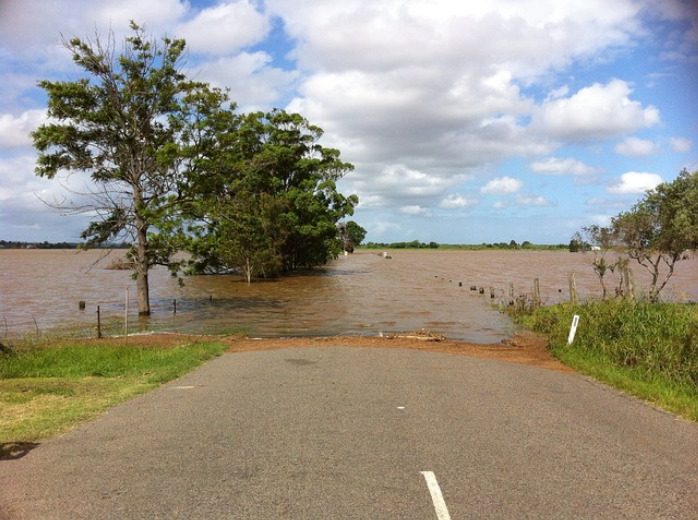
Living off the grid exposes individuals to various environmental hazards that they may not initially consider. Natural disasters such as floods, wildfires, or severe weather can pose immediate threats. For example, a sudden storm can damage solar panels or disrupt energy supplies, leaving residents vulnerable.
Moreover, without access to emergency services, injuries can become life-threatening. Off-grid living often means being far from medical facilities, making it vital to have first aid knowledge and supplies. Regular training in emergency preparedness can mitigate these risks and ensure safety when living in remote areas.
Common Misconceptions About Self-Sufficiency
Many individuals are drawn to off-grid living with the belief that it will grant them complete self-sufficiency. However, this notion can lead to significant challenges. For instance, the reality of producing all your food and energy is often more complex than anticipated. Many off-grid residents may find themselves relying on external resources more than they planned.
Another misconception is that off-grid living is entirely eco-friendly. While it can reduce certain environmental impacts, improper waste management and resource overuse can lead to negative consequences. Understanding these misconceptions enables individuals to adopt a more realistic approach and prepare adequately for the challenges ahead.
Practical Solutions for Off-Grid Dangers
To navigate the hidden dangers of off-grid living, individuals should implement practical solutions. First, conducting thorough research and planning is essential. This includes understanding local climate, potential risks, and resource availability. Creating a comprehensive plan that outlines backup systems for water, energy, and food can provide a safety net.
Additionally, investing in quality equipment and technology can enhance resilience against environmental challenges. For example, using robust solar energy systems and efficient water filtration methods can ensure a more reliable off-grid experience. Ultimately, connecting with local off-grid communities can provide valuable insights and support, helping individuals share knowledge and resources for better preparedness.
Frequently Asked Questions
What are the biggest challenges of off-grid living?
The biggest challenges include resource accessibility, environmental hazards, and the complexities of self-sufficiency.
How can I ensure a reliable water supply off-grid?
Implement rainwater harvesting systems and consider drilling a well for consistent access to water.
What safety measures should I take when living off-grid?
Establish a first aid kit, learn basic emergency response skills, and create disaster preparedness plans.
Are there misconceptions about food production off-grid?
Yes, many underestimate the challenges of consistent crop yields and the need for diverse food sources.
How can I connect with other off-grid communities?
Join online forums, local workshops, and social media groups focused on off-grid living for support and advice.
Further Reading
Authoritative Sources
Library of Congress Research Guides guides.loc.gov
Research guides that help readers locate reliable background sources on a wide range of subjects
USA.gov Official Information and Services usa.gov
Official U.S. government information and public resources for practical reference
Google Scholar scholar.google.com
Academic search resource for finding research literature and source material
Conclusion
Understanding the hidden dangers of off-grid living is essential for anyone considering this lifestyle. By addressing resource accessibility, environmental hazards, and common misconceptions, individuals can prepare more effectively. Implementing practical solutions and connecting with others in the off-grid community will enhance safety and sustainability, ensuring a rewarding experience in a self-sufficient lifestyle.
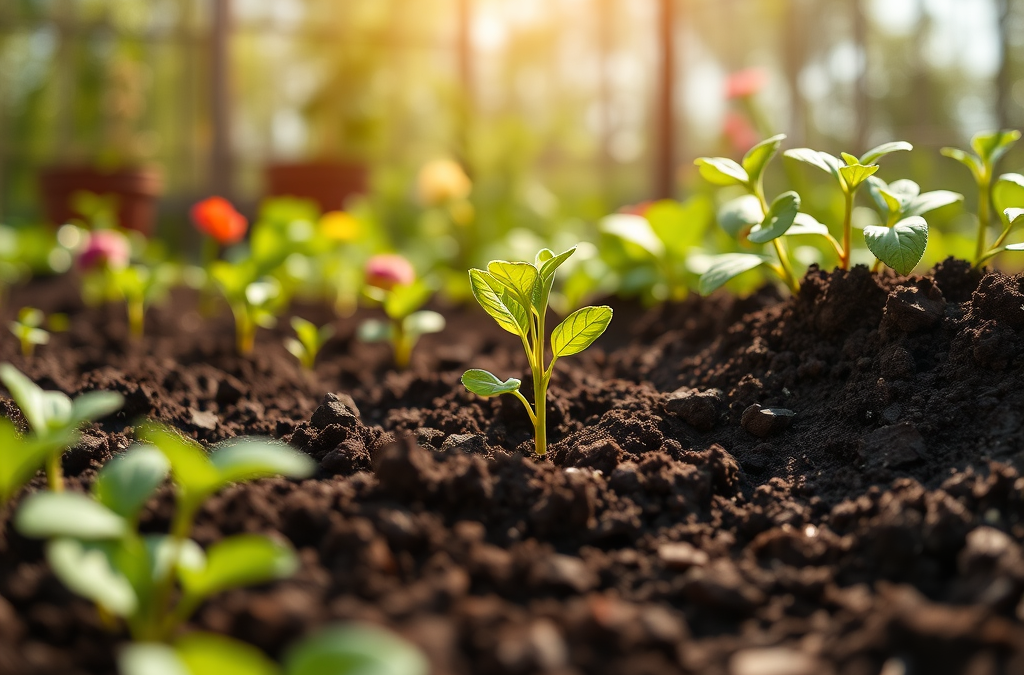
Soil health is foundational to a garden’s long-term viability. Healthy soil supports robust plant growth, retains moisture, and fosters beneficial microorganisms. Conducting a soil test is the first step; it reveals nutrient levels, pH, and organic matter content. A balanced nutrient profile is essential for plant health, while a proper pH ensures that plants can access these nutrients. For example, most vegetables thrive in slightly acidic to neutral soil (pH 6.0 to 7.0).
Improving soil health can involve adding organic matter, such as compost or well-rotted manure, which enhances nutrient availability and soil structure. Additionally, practicing crop rotation and cover cropping can prevent soil degradation and promote biodiversity. An often-overlooked aspect is the presence of soil compaction, which can hinder root growth and water infiltration. Regularly aerating the soil can mitigate this issue, ensuring that your garden remains productive over the years.
Choosing the Right Plants
Selecting plants suited to your local environment is critical for long-term garden viability. Native plants typically require less maintenance and are more resilient to local pests and diseases. They are adapted to the local climate and soil conditions, making them more sustainable choices. For instance, in drought-prone areas, selecting drought-tolerant species can significantly reduce water usage and maintenance efforts.
When planning your garden layout, consider the growth habits and spacing requirements of your chosen plants. Overcrowding can lead to competition for resources and increase susceptibility to disease. A well-planned garden not only maximizes space but also enhances airflow and sunlight penetration, contributing to healthier plants. Additionally, incorporating a variety of species can promote ecological balance, attracting pollinators and beneficial insects that help maintain a healthy garden ecosystem.
Assessing Climate Adaptability
Climate change poses significant challenges to gardening, making it essential to assess how your garden can adapt to changing conditions. Understanding local weather patterns, seasonal variations, and extreme weather events is crucial. For example, if you live in an area that experiences increased rainfall, you may need to consider drainage solutions to prevent root rot.
Choosing climate-resilient plants can help ensure your garden thrives despite these changes. Researching plants that can withstand temperature fluctuations or prolonged dry spells will prepare your garden for future conditions. Implementing practices such as mulching can help regulate soil temperature and moisture levels, further enhancing your garden’s adaptability. Regularly monitoring weather trends and adjusting your gardening practices accordingly will also support long-term viability.
Water Management Strategies
Effective water management is vital for sustaining your garden over time. Assessing your garden’s water needs and availability can help prevent overwatering or drought stress. Implementing a rainwater harvesting system can provide a sustainable water source, reducing dependence on municipal supplies.
Drip irrigation systems are a practical method for delivering water directly to plant roots, minimizing waste and evaporation. Additionally, understanding the specific water requirements of different plants ensures that each species receives adequate moisture without compromising the health of others. Regularly checking for leaks and maintaining irrigation systems is essential to prevent water loss and ensure efficient usage.
For those interested in deepening their understanding of garden viability, consider exploring resources from local agricultural extensions or gardening organizations. These sources often provide valuable insights into soil health, plant selection, and sustainable gardening practices.
Frequently Asked Questions
What is the most important factor in assessing garden viability?
Soil health is the most critical factor, as it affects nutrient availability, moisture retention, and overall plant growth.
How can I improve my garden's soil health?
Improving soil health can be achieved through the addition of organic matter, practicing crop rotation, and aerating compacted soil.
What types of plants are best for sustainable gardening?
Native plants and drought-tolerant species are ideal for sustainable gardening as they require less maintenance and are more resilient to local conditions.
How does climate change affect gardening?
Climate change can lead to altered weather patterns, requiring gardeners to adapt their practices and plant choices to ensure resilience.
What are effective water management strategies for gardens?
Implementing drip irrigation, rainwater harvesting, and understanding the specific water needs of your plants can improve water management.
Further Reading
Authoritative Sources
USDA National Institute of Food and Agriculture nifa.usda.gov
Research and extension resources related to agriculture, plants, soil, and food systems
Extension Foundation Gardening Resources extension.org
University extension education resources for practical gardening and home agriculture topics
USDA Natural Resources Conservation Service nrcs.usda.gov
Soil, water, conservation, and land management resources for practical growing decisions
Conclusion
Assessing the long-term viability of your garden involves a multifaceted approach, focusing on soil health, plant selection, climate adaptability, and water management. Prioritizing these elements will help create a sustainable and productive garden that can thrive despite environmental challenges. Regular monitoring and adaptation are key to ensuring that your garden remains viable for years to come.
First aid training is crucial because it equips individuals with the knowledge and skills necessary to respond to medical emergencies effectively. In situations such as heart attacks, severe bleeding, or choking, having a trained person can mean the difference between life and death. First aid training also fosters confidence in individuals, enabling them to act swiftly rather than hesitating in crises. Furthermore, trained individuals can alleviate pain and prevent further injury while waiting for professional medical help to arrive.
Moreover, first aid training is not just for professionals; it is essential for everyone, from parents to teachers and community leaders. By underestimating the need for first aid training, individuals may inadvertently place themselves and others at risk. The knowledge gained through training can help in everyday situations, ensuring a safer environment for all.
Common Misconceptions About First Aid
Many people hold misconceptions about first aid and its importance. One common belief is that first aid is only necessary for medical professionals or those in high-risk jobs. This assumption is flawed, as emergencies can occur anywhere, and anyone can be called to help. Another misconception is that first aid training is too complicated or time-consuming. In reality, many courses are designed to be accessible and can be completed in just a few hours.
Additionally, some individuals think that they can rely solely on emergency services to handle all situations. While professional responders are vital, they may not always be immediately available. The first few minutes of an emergency often fall to bystanders, making preparedness essential. By challenging these misconceptions, individuals can better understand the value of first aid training and its role in enhancing community safety.
Real-World Impact of Underestimating First Aid
Underestimating the need for first aid training can have serious repercussions in real-world scenarios. For instance, during a cardiac arrest, every minute counts. A trained bystander can perform CPR and use an AED (Automated External Defibrillator) to significantly increase the chances of survival. Conversely, without training, bystanders may freeze or provide ineffective assistance, leading to tragic outcomes.
Furthermore, studies have shown that communities with higher rates of first aid training experience better health outcomes and lower mortality rates in emergencies. This correlation highlights the importance of widespread training programs. Individuals who recognize the potential consequences of inadequate preparation are more likely to take proactive steps to enhance their skills, ultimately benefiting their communities.
Practical Steps to Improve First Aid Preparedness
Improving first aid preparedness involves several practical steps. First, individuals should seek accredited first aid courses that fit their schedules and learning preferences. Many organizations offer online and in-person options, making it easier to find a suitable program. Additionally, individuals should encourage family members, friends, and colleagues to participate in training together, fostering a culture of preparedness.
Regular refreshers are also essential, as skills can fade over time. Setting reminders for periodic training updates can ensure that knowledge remains fresh and actionable. Lastly, people should advocate for first aid training within their communities, schools, and workplaces, emphasizing the collective benefits of being prepared for emergencies. By taking these steps, individuals can significantly enhance their readiness to respond when needed.
Frequently Asked Questions
What is the most important reason to have first aid training?
The most important reason to have first aid training is that it prepares individuals to respond effectively in emergencies, potentially saving lives and reducing injury severity.
How often should I renew my first aid certification?
It is generally recommended to renew first aid certification every two to three years to ensure skills and knowledge remain current.
Can first aid training help in non-medical emergencies?
Yes, first aid training can provide skills that are valuable in various emergencies, including natural disasters, where quick thinking and basic medical knowledge can be critical.
What should I look for in a first aid training course?
Look for courses that are accredited, taught by experienced instructors, and offer hands-on practice to ensure effective learning.
Are there online first aid training options available?
Yes, many organizations offer online first aid training courses that provide flexibility and convenience for learners.
Further Reading
Authoritative Sources
Library of Congress Research Guides guides.loc.gov
Research guides that help readers locate reliable background sources on a wide range of subjects
USA.gov Official Information and Services usa.gov
Official U.S. government information and public resources for practical reference
Google Scholar scholar.google.com
Academic search resource for finding research literature and source material
Conclusion
Recognizing the need for first aid training is vital for individual and community safety. By understanding the importance of preparedness, challenging misconceptions, and taking proactive steps to enhance skills, individuals can significantly impact emergency outcomes. Engaging in regular training and encouraging others to do the same fosters a culture of readiness that benefits everyone. Ultimately, being prepared not only empowers individuals but also contributes to a safer, more resilient community.
Understanding the Importance of Flexibility in Emergency Plans
Flexible emergency plans are crucial as they enable responders to adapt to evolving situations effectively. The nature of emergencies is inherently unpredictable, often presenting challenges that standardized plans cannot adequately address. By incorporating flexibility, emergency responders can pivot strategies based on real-time assessments and community needs, ensuring a more effective response.
For instance, during natural disasters, the needs of affected populations may shift rapidly. Some may require immediate medical assistance, while others might need food and shelter. A flexible plan allows for the allocation of resources where they are most needed, rather than adhering strictly to a pre-determined protocol. This adaptability can significantly enhance the resilience of communities during crises.
Common Pitfalls of Rigid Emergency Plans
Rigid emergency plans often lead to inefficiencies and can exacerbate existing problems during a crisis. One major pitfall is the failure to account for unique community needs. For example, a one-size-fits-all approach may overlook the requirements of vulnerable populations, such as the elderly or disabled, who may need specialized assistance.
Additionally, rigid plans can result in resource misallocation. In a rapidly changing situation, sticking to a fixed strategy can lead to critical delays in delivering aid. This inflexibility can hinder effective communication among responders and delay the overall response time. Therefore, recognizing these pitfalls is essential in developing a robust emergency management strategy.
Strategies for Developing Flexible Emergency Plans
To create a flexible emergency plan, several strategies should be implemented. First, conducting regular training exercises that simulate various emergency scenarios can enhance adaptability. These drills allow responders to practice adjusting their plans based on real-time feedback and evolving circumstances.
Another strategy involves incorporating input from diverse community stakeholders, including local organizations and residents. Engaging with these groups can provide valuable insights into specific needs and challenges, fostering a more inclusive emergency plan. Lastly, implementing a system for continuous evaluation and improvement of emergency protocols ensures that plans remain relevant and effective over time.
Real-World Examples of Flexible Emergency Planning
Real-world examples of flexible emergency planning can be seen in various disaster response scenarios. For instance, during Hurricane Katrina, responders faced numerous challenges due to the rigid application of emergency protocols. In contrast, the response during Hurricane Harvey showcased a more adaptable approach, where agencies worked together to shift resources and strategies based on the immediate needs of affected populations.
Another example is the COVID-19 pandemic, where health officials had to continuously adjust guidelines and resource allocation as new information emerged. This adaptability allowed for a more targeted response, ultimately saving lives and reducing the impact on healthcare systems. These examples underline the necessity of flexibility in emergency planning, illustrating how adaptable strategies can lead to better outcomes in times of crisis.
Frequently Asked Questions
What are the key components of a flexible emergency plan?
A flexible emergency plan should include real-time assessment protocols, community engagement strategies, and guidelines for resource allocation that can adapt to changing circumstances.
How can communities ensure their emergency plans are flexible?
Communities can ensure flexibility by conducting regular training exercises, involving diverse stakeholders in planning, and establishing mechanisms for continuous review and improvement of plans.
What are the risks of not having a flexible emergency plan?
Without flexibility, communities may face delayed responses, inadequate resource allocation, and an inability to meet the unique needs of vulnerable populations, leading to worse outcomes during crises.
Can flexible emergency plans be applied to all types of emergencies?
Yes, flexible emergency plans can be adapted to various emergencies, including natural disasters, public health crises, and man-made incidents, allowing for tailored responses based on specific circumstances.
How often should emergency plans be reviewed for flexibility?
Emergency plans should be reviewed at least annually or after significant incidents to ensure they remain relevant, incorporating lessons learned and adapting to changes in community needs.
Further Reading
Authoritative Sources
Ready.gov Preparedness Guidance ready.gov
Federal preparedness guidance for household planning, alerts, supplies, and emergencies
American Red Cross Emergency Preparedness redcross.org
Emergency preparedness resources for families, disasters, and practical safety planning
FEMA Preparedness Resources fema.gov
National preparedness resources for planning, mitigation, and response readiness
Conclusion
Prioritizing flexible emergency plans is vital for effective crisis management. By allowing for real-time adjustments and community-specific responses, these plans can significantly improve outcomes during emergencies. Communities should engage in regular training, involve diverse stakeholders, and continuously evaluate their strategies to ensure adaptability. Implementing these practices will better prepare communities for future challenges and enhance overall resilience.
Flexible emergency plans are designed to accommodate a variety of potential situations that could arise during a crisis. Unlike rigid plans, which follow a strict protocol, flexible plans allow for adjustments based on real-time information and evolving circumstances. This adaptability is crucial in dynamic environments where conditions can change rapidly, such as natural disasters, public health emergencies, or security threats.
Effective flexible plans incorporate multiple scenarios, ensuring that teams are trained to respond to various challenges. For instance, an emergency response plan for a hurricane may need to adapt based on the storm’s trajectory, intensity, and the specific vulnerabilities of the community affected. By preparing for multiple outcomes, organizations can mitigate risks and enhance their overall readiness.
The Importance of Adaptability
Adaptability in emergency planning is vital because it directly impacts the effectiveness of the response. In emergencies, situations can escalate or change unpredictably, making it essential for plans to be flexible enough to accommodate new information. For example, during the COVID-19 pandemic, many organizations had to pivot their strategies as new guidelines and data emerged. Those with adaptable plans were better equipped to implement necessary changes quickly, minimizing disruption and ensuring safety.
Moreover, flexible plans foster a culture of continuous improvement, where lessons learned from previous emergencies inform future planning. This iterative process allows organizations to refine their strategies, leading to more effective responses over time. By embracing adaptability, organizations not only enhance their immediate response capabilities but also build long-term resilience against future crises.
Common Mistakes in Emergency Planning
One of the most significant mistakes in emergency planning is the reliance on a one-size-fits-all approach. Organizations that create overly detailed plans without considering the need for flexibility may find themselves unprepared when faced with unexpected challenges. For instance, a rigid evacuation plan may not account for last-minute road closures or changes in the population’s needs, leading to chaos and inefficiency.
Another common pitfall is neglecting to involve key stakeholders in the planning process. Engaging community members, local agencies, and other relevant parties ensures that plans reflect the diverse needs and resources available. This collaboration enhances the plan’s effectiveness and fosters a shared sense of responsibility and preparedness among all stakeholders involved.
Real-World Examples of Flexibility in Action
One notable example of flexibility in emergency planning occurred during Hurricane Katrina. Emergency responders had to adapt their strategies as the situation unfolded, facing challenges such as levee failures and mass displacement. Those teams that quickly altered their plans based on real-time observations were able to provide more effective aid, demonstrating the importance of flexibility in crisis management.
Similarly, during the 9/11 attacks, first responders showed remarkable adaptability as they navigated the chaotic environment of the World Trade Center. Their ability to reassess priorities and modify their actions in real-time was crucial in saving lives and managing the crisis effectively. These examples highlight how flexible emergency plans can lead to better outcomes when faced with unpredictable situations.
Frequently Asked Questions
What are flexible emergency plans?
Flexible emergency plans are adaptable strategies that can adjust to changing circumstances during a crisis, ensuring effective responses to various scenarios.
Why is adaptability important in emergency planning?
Adaptability is crucial because emergencies can evolve rapidly, and flexible plans enable organizations to respond effectively to new information and changing conditions.
What common mistakes should be avoided in emergency planning?
Common mistakes include relying on one-size-fits-all approaches and not involving key stakeholders in the planning process, which can lead to ineffective responses.
Can you provide an example of flexibility in action during a crisis?
During Hurricane Katrina, emergency responders adapted their strategies based on real-time observations, which helped them provide more effective aid amid changing circumstances.
How can organizations ensure their emergency plans remain flexible?
Organizations can ensure flexibility by regularly reviewing and updating their plans, incorporating feedback from stakeholders, and conducting training exercises that simulate various scenarios.
Further Reading
Authoritative Sources
Ready.gov Preparedness Guidance ready.gov
Federal preparedness guidance for household planning, alerts, supplies, and emergencies
American Red Cross Emergency Preparedness redcross.org
Emergency preparedness resources for families, disasters, and practical safety planning
FEMA Preparedness Resources fema.gov
National preparedness resources for planning, mitigation, and response readiness
Conclusion
Flexible emergency plans are not just beneficial; they are essential for effective crisis management. By allowing for adaptability in response strategies, organizations can better navigate the complexities of emergencies. Prioritizing flexibility ensures that teams are prepared for unexpected challenges, ultimately leading to improved outcomes in times of crisis. Moving forward, organizations should invest in developing and refining their emergency plans to enhance their resilience against future threats.