

Maybe you haven’t given it much thought about how Alcohol and Diet Impact Health and Preparedness, but they both do. The use or abuse of either one of these areas of consumption have a great impact not only on one’s current physical state, but also upon the mental acuity to handle stressful situations when they arise.
In these troubled times and the potential of future struggles ahead, many people turn to substances in an attempt to cope. Alcohol and food are legal substances that when abused, in an attempt to cope, have a long lasting adverse affect on one’s health and ability to be best prepared.
Below is a more detailed article about how alcohol and diet affect the body:
_________________
Alcohol and Diet
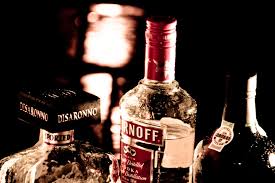 The phrase “you are what you eat” is especially true in today’s world. That isn’t to say that if you choose to drink, you will become your favorite libation. What it does suggest, however, is that choosing to drink alcohol or not can affect your well-being and functioning so any decision to indulge should be an informed one.
Effects of Alcohol on the Body
Alcohol affects the body in a variety of ways other than intoxication. It can affect the digestive system and how vitamins and nutrients are utilized by the body. Too much alcohol can slow down digestion as the body prioritizes breaking down alcohol to processing food. Alcohol is a toxin to the body so it is processed ahead of food in the liver’s attempt to keep functioning well. As alcohol is broken down into toxic byproducts, the liver and pancreas can be damaged and become less efficient. Since the liver is an organ that helps to fuel the body and keep it clean of toxins, alcohol makes it work overtime. A single episode of overindulging can actually lower your immune system for up to 24 hours afterwards. [1]
Depletes Vitamins
Alcohol is also known to deplete the body’s store of vital nutrients needed for good health. B complex is comprised of several different vitamins that link together to make a chain. The most common are B1, B6, B12, riboflavin and niacin. Certain vitamins in the B complex chain are more easily destroyed by alcohol than others. You may have learned that by taking a B complex vitamin before a night out on the town, you can avoid at least part of the nasty hangover from overindulging.
Alcohol and the Diet
Small to moderate amounts of alcohol have been shown to lessen the development of heart disease, however, alcohol in larger amounts long term can harm the heart making it less efficient at pumping oxygen and nutrients to the organs that need them.
Even smaller amounts of alcohol can disrupt neurotransmitters in the brain like glutamate causing forgetfulness or blackouts in more severe cases. Alcohol can affect your speech and motor control causing slurring and balance issues. Alcohol also affects serotonin, a neurotransmitter which helps to regulate your emotion and release endorphins, which explains why drinking alcohol use can feel relaxing and sometimes alters our emotional reactions.
Weight Gain
One of the most common problems associated with drinking alcohol frequently is weight gain. Alcoholic beverages contain what are best known as “empty calories”. They offer minimal, if any, nutritive value, and, when consumed in excess, can add unwanted pounds. An active person who drinks the occasional one or two beers while watching the game will not normally see a dramatic change. This weight gain occurs mainly when the consumption of alcohol escalates to the point where there are more calories being consumed than there are being used through exercise and other forms of activity.
As the liver and the rest of the body return to functioning at peak performance post drinking, nutrients will be more easily broken down and absorbed by the body. The blood will be able to carry more oxygen and nutrients throughout the body. Energy levels will increase and a person’s overall mood and ability to concentrate will rise.
When you begin to understand how alcohol affects your body, you may find you have further motivation to begin or maintain a healthier lifestyle. You can decide if, how much, and when you want to indulge in alcohol and support your use of alcohol so the effects on your body are minimized. You may decide that you enjoy and value the feelings of sobriety more than you enjoy the effects of drinking. It’s all in the choices we make and live with.
References:
http://www.niaaa.nih.gov/alcohol-health/alcohols-effects-body
http://pubs.niaaa.nih.gov/publications/Hangovers/beyondHangovers.pdf
Faith Moore, JD, is the Public Relations Coordinator at Saint Jude Retreats, a non 12 Step alternative to traditional drug and alcohol treatment centers and rehabs. Saint Jude Retreats provides residential, online, and home study programs for people with substance use problems that concentrates on self-directed positive and permanent change. Through the program, individuals with substance use problems are offered the opportunity to self-evaluate and explore avenues for life enhancement and happiness.
________________________________
Popular Questions
How does alcohol consumption affect my diet and overall health?
Alcohol can significantly impact your diet by slowing down digestion and depleting essential nutrients. When consumed, the body prioritizes breaking down alcohol over processing food, which can lead to nutrient deficiencies. Additionally, excessive alcohol intake can contribute to weight gain due to its empty calories, making it crucial to monitor your consumption for better health outcomes.
What are the long-term effects of alcohol on mental acuity and preparedness?
Long-term alcohol use can impair mental acuity by disrupting neurotransmitters in the brain, leading to forgetfulness and decreased cognitive function. This can hinder your ability to handle stressful situations effectively, which is vital for preparedness. Reducing alcohol intake can help improve your mental clarity and emotional regulation, enhancing your overall readiness for challenges.
Can moderate drinking have any benefits for my heart health?
Moderate alcohol consumption has been linked to a reduced risk of heart disease, as it may improve circulation and heart function. However, it's essential to balance this with the potential risks of excessive drinking, which can harm the heart over time. Making informed choices about alcohol can help you enjoy its benefits while minimizing negative health impacts.
What role does diet play in mitigating the effects of alcohol?
A balanced diet rich in vitamins and nutrients can help mitigate some adverse effects of alcohol consumption. Foods high in B vitamins, for example, can support your body's recovery and nutrient absorption after drinking. Incorporating healthy foods into your diet can enhance your overall well-being and help maintain your health even if you choose to drink.
How can I make informed choices about alcohol and my diet?
To make informed choices about alcohol and your diet, consider your health goals and the potential impacts of your consumption. Educate yourself on the effects of alcohol on your body and mind, and assess how it fits into your lifestyle. Keeping track of your drinking habits and prioritizing nutritious foods can help you maintain a healthier balance and improve your preparedness for life's challenges.


0 Comments